“Notified” vs. “Individually Approved”: Two Routes by Which Health Functional Food Ingredients Are Recognised
Even among health functional foods, ingredients can be recognised by different routes. Here are the differences between the two systems and what to check on the label.
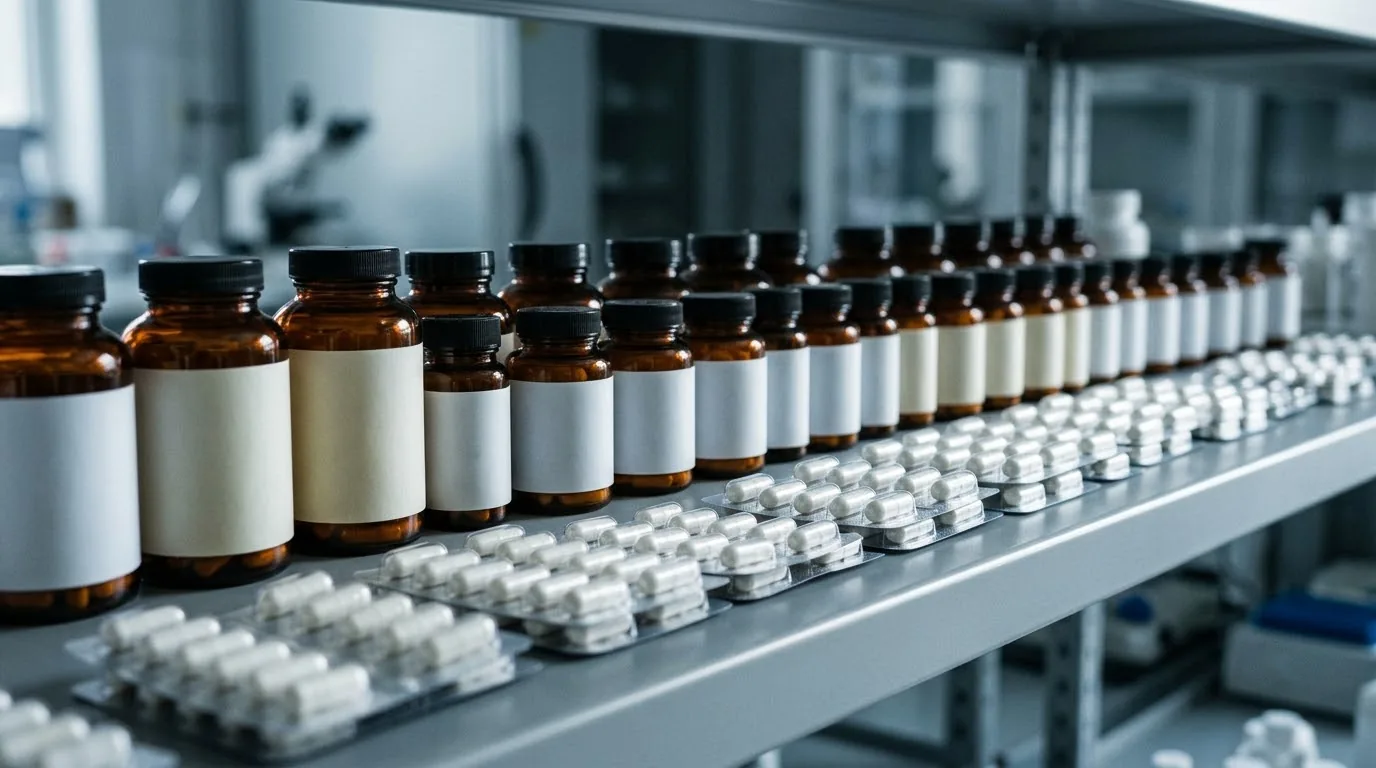
A health functional food (a Korean regulatory category) is not the same as a “food known to be good for the body.” It is a food made from ingredients that Korea's Ministry of Food and Drug Safety (MFDS) has evaluated for safety and functionality and recognised, and it may state a function only with the approved wording. There are two main routes by which an ingredient is recognised.
Notified ingredients
These are ingredients for which the MFDS has set the standards and specifications, the functionality, and the daily intake amount and listed them in the “Standards and Specifications for Health Functional Foods.” Any business operator may use them if the product meets the standards. They include nutrients such as vitamins and minerals, red ginseng, probiotics, and the dietary fibre resistant maltodextrin. Three functions are notified for resistant maltodextrin: suppressing the rise in blood glucose after meals, improving blood triglyceride levels, and supporting regular bowel movements.
Individually approved ingredients
For a new ingredient that has not been notified, the business operator prepares safety and functionality data and applies to the MFDS separately for approval. The review covers the origin of the ingredient and its manufacturing process, specifications for the functional or marker compounds, toxicity data, and the results of human studies supporting the functionality. Once approved, the ingredient is given an approval number, and the approved business operator may use it under the set conditions.
For example, the Cornus extract complex, which combines Cornus fruit and Ribes fasciculatum leaf at a 7:3 ratio, was recognised as an individually approved ingredient (No. 2022-26, body fat reduction) based on the results of a 12-week human study in overweight women. Its quality is managed using loganin and 4-HBA as marker compounds.
What to check on the label
- The “health functional food” statement and mark — This is the first criterion that distinguishes these products from ordinary foods.
- Functionality wording — An approved statement in the form “may help ...” is listed for each ingredient. Because the recognised function differs by ingredient, read the label by matching each ingredient with the function it is responsible for.
- Daily intake and functional ingredient content — These let you check whether the product meets the approved reference amount.
- “Health functional foods are not medicines for preventing or treating disease” — This statement appears on every health functional food.
References
- Ministry of Food and Drug Safety (MFDS), the Health Functional Foods Act and the “Standards and Specifications for Health Functional Foods”
- Park E, et al.. Efficacy and Safety of Combined Extracts of Cornus officinalis and Ribes fasciculatum for Body Fat Reduction in Overweight Women. Journal of Clinical Medicine. DOI: 10.3390/jcm9113629