EFSA Gives First "Safe" Opinion on Synthetic CBD: 2 mg a Day, Ages 25 and Over, Medication Users Excluded
The European Food Safety Authority (EFSA) NDA Panel concluded that synthetic cannabidiol (CBD) of at least 98% purity is safe as a food supplement at up to 2 mg a day. Pregnant and breastfeeding women and people under 25 are excluded, and safety for people taking medication has not been established.

The Panel on Nutrition, Novel Foods and Food Allergens (NDA) of the European Food Safety Authority (EFSA) published a novel food safety opinion on chemically synthesized cannabidiol (CBD) in the EFSA Journal (volume 24, issue 9). It is the first case since EFSA's 2022 statement that "the safety of CBD cannot be established" in which EFSA reached a positive conclusion on a specific application.
The product assessed is (-)-trans-CBD of at least 98% (w/w) purity, dissolved in medium-chain triglyceride (MCT) oil and marketed only as a food supplement, with a condition of up to 2 mg per day. A 90-day subchronic oral toxicity study identified the liver as the key target organ, and female rats were more sensitive. Based on increased liver weight in female rats, the Panel derived a BMDL10 (benchmark dose lower bound) of 10.5 mg/kg body weight per day, then applied an uncertainty factor of 400 to reflect data gaps such as reproductive and developmental toxicity, to arrive at a safe intake level of 0.026 mg/kg body weight per day (2 mg a day for a 70 kg adult).
Conditions and restrictions
The target group is adults over 25, and pregnant and breastfeeding women are excluded. For people taking medication, the opinion states that safety cannot be established because of the potential for interactions. No concerns were identified regarding the manufacturing process, composition, specifications or genotoxicity. The UK FSA reached a positive conclusion in 2024 for the same product at 10 mg a day, so the two sets of criteria differ by a factor of 5.
The EFSA opinion is a risk assessment, not a marketing authorization. Whether and under what conditions it is authorized is decided through the European Commission's procedure for updating the Union list. This conclusion is limited to a specific purity, formulation and dose, and should not be read as a safety judgment on CBD products on the market in general.
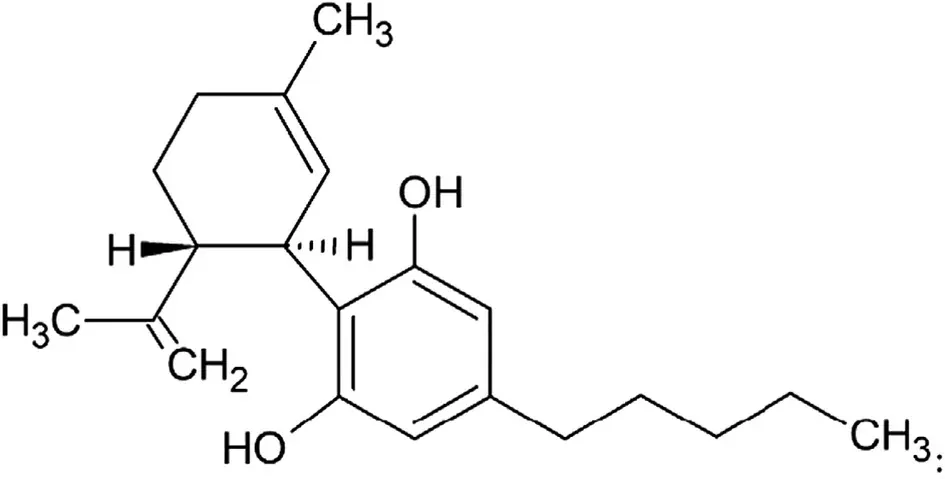
- Subject: synthetic CBD of at least 98% purity, dissolved in MCT oil, food supplement at up to 2 mg a day
- BMDL10 10.5 mg/kg bw/day ÷ uncertainty factor 400 = 0.026 mg/kg bw/day
- Limited to adults over 25, pregnant and breastfeeding women excluded, safety for medication users not established / authorization rests with the EU Commission
Limitations The EFSA opinion is a risk assessment, not a marketing authorization, and the conclusion applies only to a specific purity, formulation and dose. Data gaps remain on reproductive and developmental toxicity.
Original Research
- EFSA Panel on Nutrition, Novel Foods and Food Allergens (NDA); Turck D, Bohn T, Cámara M, et al. · European Food Safety Authority (EFSA). Safety of synthetic cannabidiol as a novel food pursuant to regulation (EU) 2015/2283. EFSA Journal. DOI: 10.2903/j.efsa.2026.10154
Copyright in the original research belongs to its publisher and authors.