Antibody Cuts New Lesions From 19 to 1 in FOP, a Rare Disease That Turns Muscle Into Bone: Phase 3
In a phase 3 trial of 63 adults with FOP, garetosmab, an antibody that blocks activin A, cut the number of new heterotopic bone lesions over 56 weeks by more than 90% compared with placebo. The results were published in The Lancet.
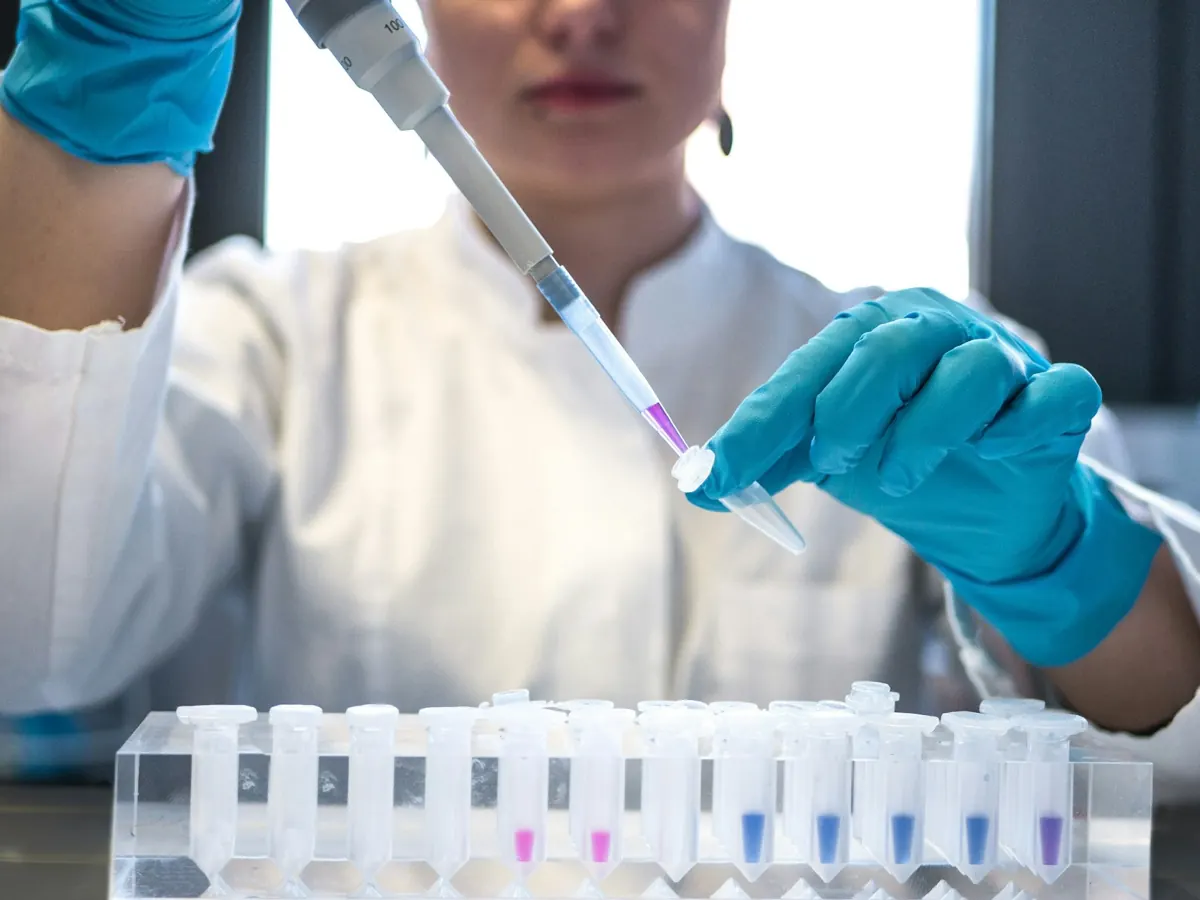
Fibrodysplasia ossificans progressiva (FOP) is an ultra-rare genetic disease in which ligaments, tendons and muscles gradually turn into bone, stiffening the joints and shortening life expectancy. Because of a mutation in the activin receptor 1A (ACVR1) gene, activin A, which normally inhibits this receptor, instead switches it on and builds bone in the wrong places. Phase 3 results for garetosmab, a monoclonal antibody that binds activin A in this disease, have been published in The Lancet.
63 people randomized at 18 sites in 16 countries
The OPTIMA trial was a double-blind, placebo-controlled phase 3 study. It assigned 63 patients with FOP aged 18 or older 1:1:1 to placebo (21 patients), garetosmab 3 mg/kg (19) or 10 mg/kg (23), given intravenously every month. The average age was 26.6 years, and 60% were women. The primary efficacy endpoint was the total number of new heterotopic ossification lesions at week 56.
Over 56 weeks, 19 new lesions formed in the placebo group, compared with only 1 in the 3 mg/kg group (rate ratio 0.06, p=0.027) and 2 in the 10 mg/kg group (rate ratio 0.10, p=0.026). For the primary safety endpoint, adverse events of special interest occurred in 1 person (5%) in the placebo group, 0 in the 3 mg/kg group and 4 (17%) in the 10 mg/kg group. There were no deaths. The developer, Regeneron, sponsored the trial.
Significance and limits
It is unusual for a randomized controlled phase 3 trial in an ultra-rare disease to show an effect in slowing progression. However, 63 people over 56 weeks is too short to judge long-term effects and safety. The higher number of adverse events of special interest in the high-dose group needs continued follow-up. Because only adults were studied, whether the results apply to children and adolescents, in whom lesions mainly form, needs separate study, and the drug has not yet been approved by regulators.
- Phase 3 OPTIMA: 18 sites in 16 countries, 63 adults with FOP assigned 1:1:1, monthly intravenous dosing for 56 weeks
- New heterotopic bone lesions: 19 with placebo vs 1 at 3 mg/kg and 2 at 10 mg/kg (rate ratios 0.06 and 0.10)
- Adverse events of special interest: 5% with placebo, 0% at the low dose and 17% at the high dose; no deaths
Limitations A small, short trial of 63 people over 56 weeks, so long-term effects and safety are unconfirmed. It included only adults and was sponsored by the drug maker. It has not yet been approved, so a treatment effect cannot be assumed.
Original Research
- Papa R, Rhee S, Delai P, … Yancopoulos GD, Keen R; OPTIMA Study Group · IRCCS Istituto Giannina Gaslini, Genova (Italy) and 16 countries; sponsor Regeneron. Efficacy and safety of garetosmab, an activin A-blocking antibody, in fibrodysplasia ossificans progressiva (OPTIMA): a randomised, double-blind, placebo-controlled, phase 3 trial. The Lancet. DOI: 10.1016/S0140-6736(26)01599-0
Copyright in the original research belongs to its publisher and authors.